








Is Your Child Ready for Early Years? 6 Signs
School readiness is not about being “perfect”. It is about progress. Six signs show that a child is ready for Early Years: following simple instructions, communicating needs and ideas, social interaction, early motor skills, emotional readiness and comfort with routines. At EMASI Nam Long, our Montessori-inspired Early Years program in District 7, Ho Chi Minh City, meets every child exactly where they are.
The transition into Early Years is a significant milestone for both parents and children. It marks the shift from the home environment into a wider world of discovery, social interaction and structured learning. As the academic year approaches, many parents ask: Is my child truly ready for this new step?
At EMASI, readiness is about the developmental building blocks that let a child enter the classroom with confidence. When these foundations are in place, children become self-motivated learners who say, “I want to do it” and are eager to explore.
What are the six signs of school readiness?
1. Following simple instructions
In a classroom, children are frequently asked to move between activities. Readiness is often signaled by a child’s ability to follow a one- or two-step instruction, such as “Please put the blocks in the tray and then sit on the rug.” This is the first step toward independence, and it helps a child say “I can do it” as they navigate their environment.
2. Communicating needs and ideas clearly
Communication at this stage is about a child’s ability to express physical and emotional needs. Can your child ask to go to the bathroom, or tell a teacher if they are sad or hungry? Learning to communicate effectively lets a child take part confidently and form friendships, and it prepares them for the Language and Literacy learning that follows.
3. Developing social interaction skills
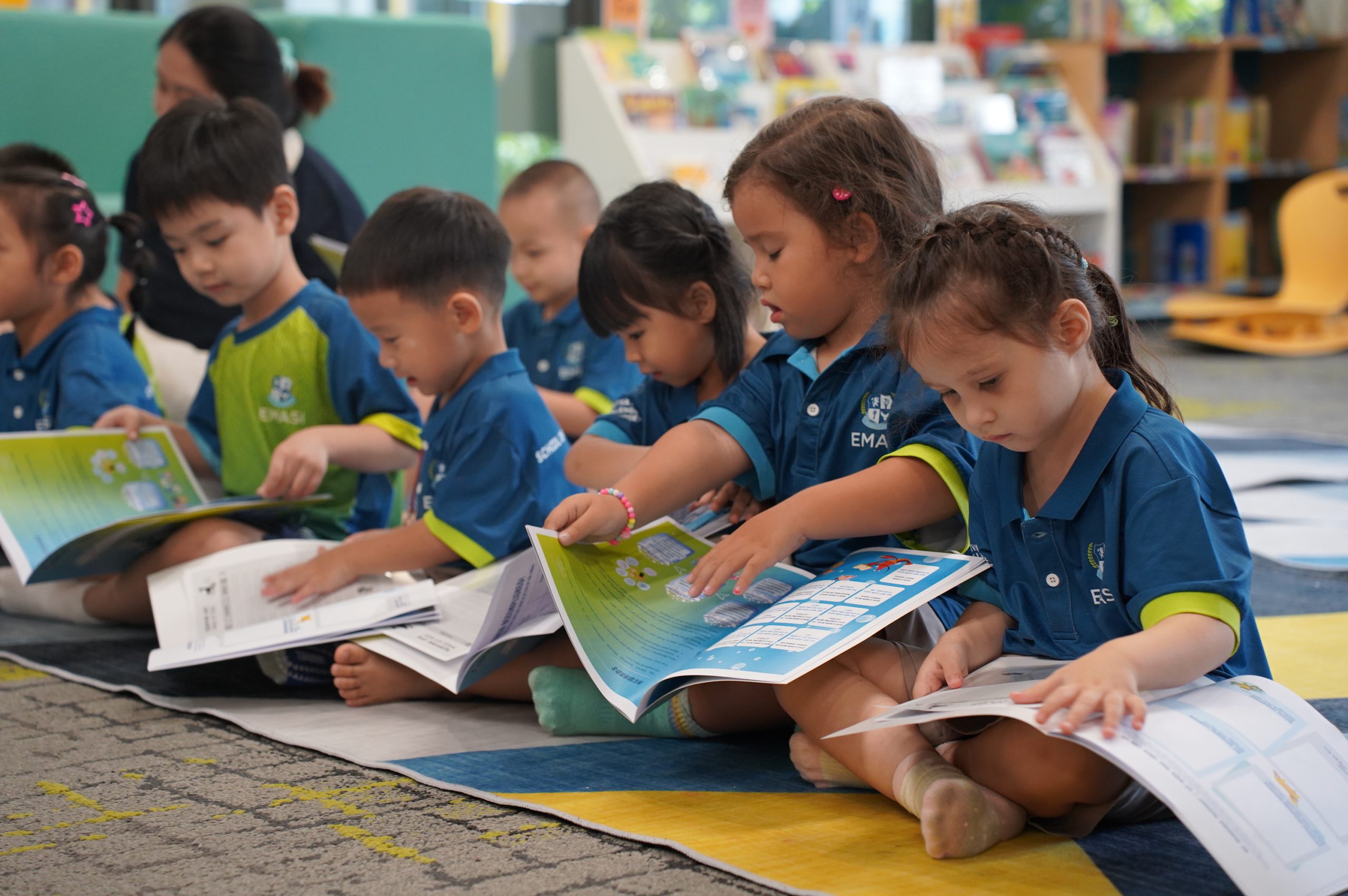
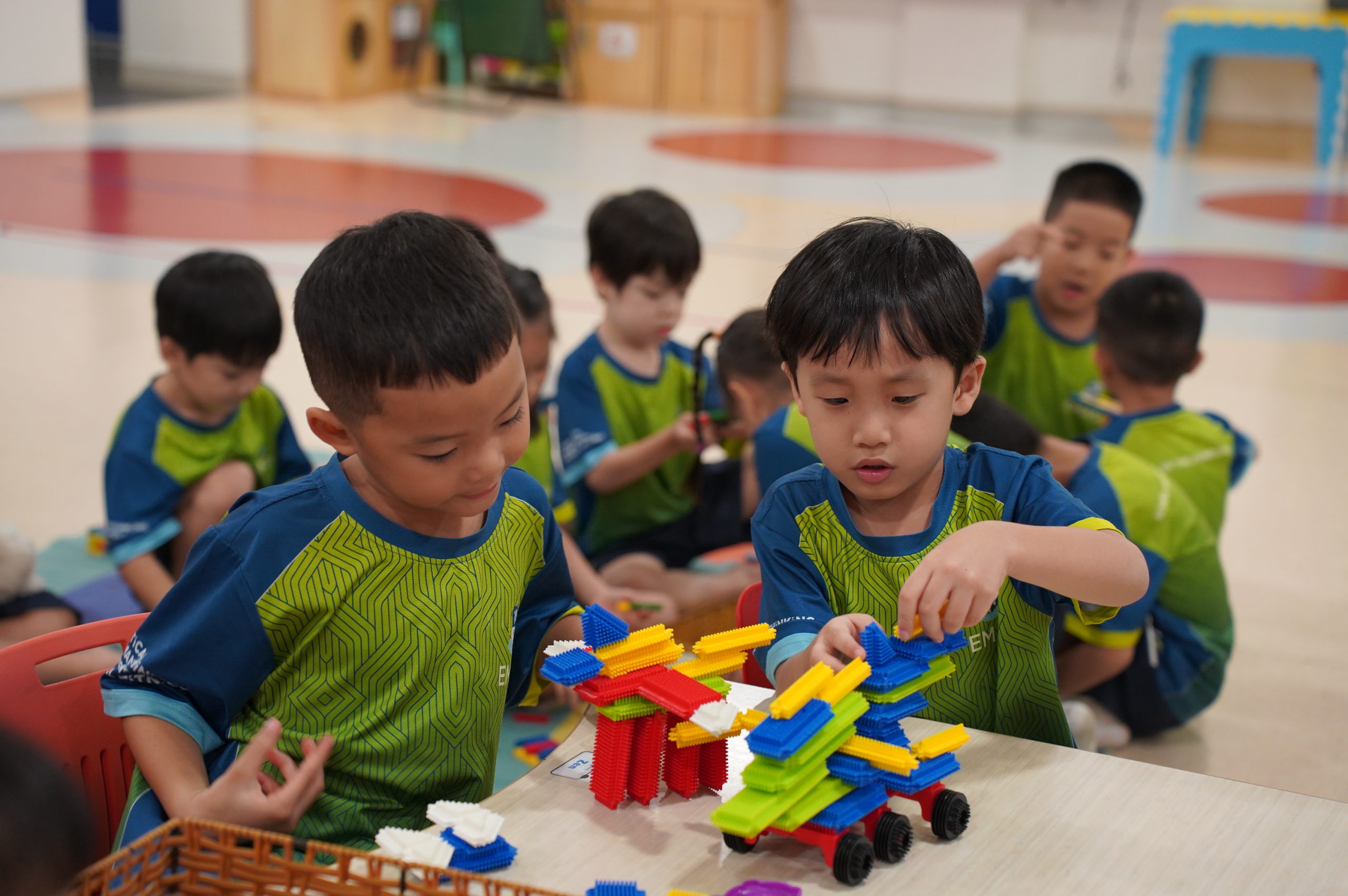
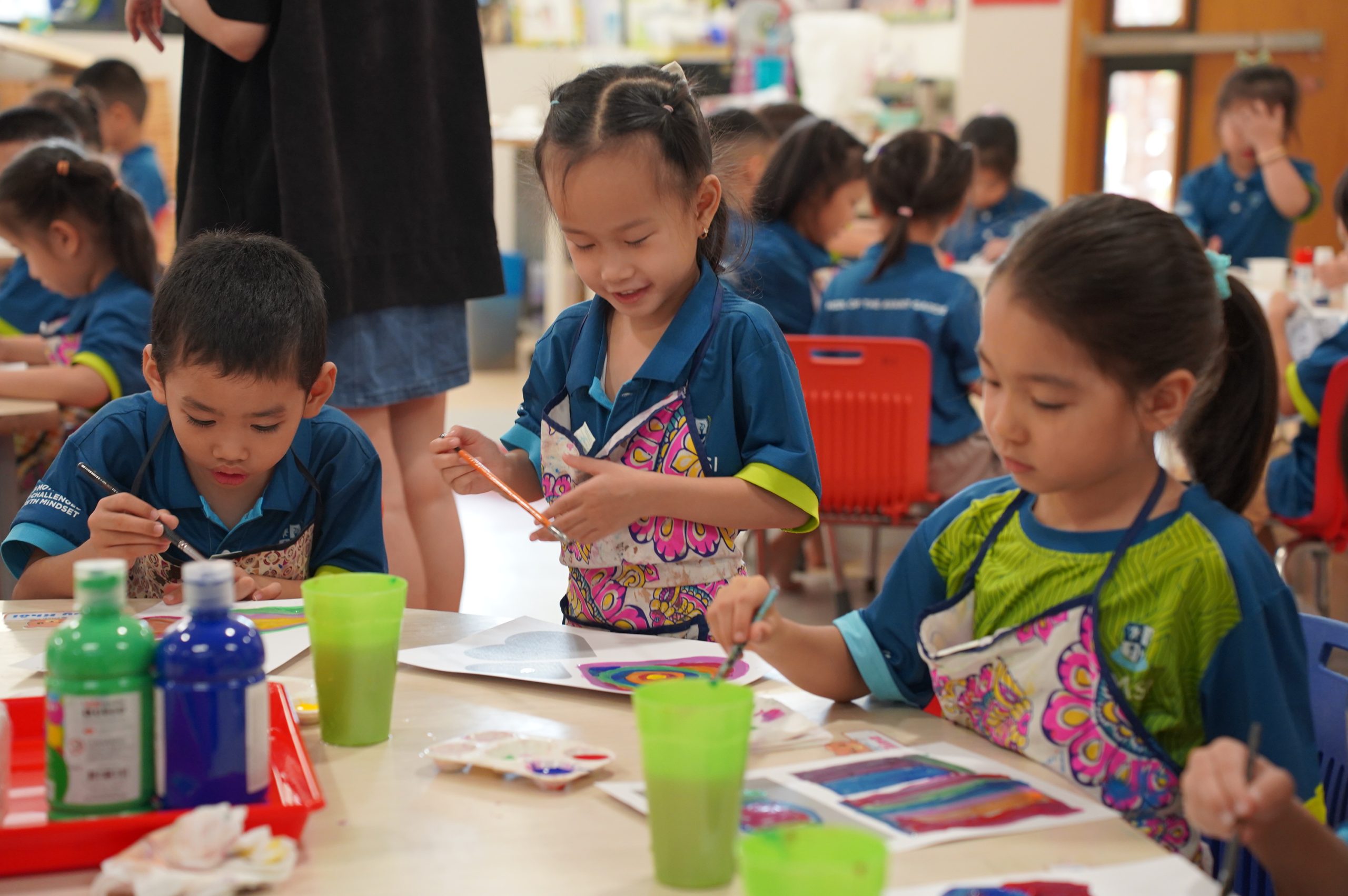
Early Years is a community-based experience. Unlike the solo play of younger toddlers, school-ready children are beginning to move toward cooperative play: sharing materials, taking turns and working together to build or create. Solving a problem alongside a friend is also where critical thinking begins.
4. Foundations of motor skills
We look for “pre-academic” motor skills that set the stage for later success. Fine motor skills, such as using tongs or scissors, threading beads or beginning to hold a pencil, are essential for hands-on learning across all subjects. They give your child the physical control needed for more formal tasks in Language and Literacy.
5. Emotional readiness and resilience
Emotional readiness means a child is beginning to recognize their feelings. In our classrooms we help children name frustration or excitement and learn that mistakes are part of learning. This is the start of a growth mindset: “I’ll do it better and better.” Knowing how to seek out a trusted adult is a key sign that a child can handle the social transition of starting school.
6. Comfort with routines
Children flourish when they know what to expect. A child who adapts well to simple routines at home will likely transition smoothly into the school schedule. If your child shows an interest in “what comes next”, they are already building the habits that lead to a self-motivated approach to the school day.
How does EMASI Nam Long support your family?
Our dedicated team supports every child as they build a strong foundation across all areas of development. Every child develops at their own pace, and our professional environment is designed to meet them exactly where they are.
You can watch our Early Years in action video to see how our students engage with these developmental milestones.
Frequently asked questions
What does school readiness mean for Early Years?
It means a child has the early building blocks to feel confident in class: following simple instructions, communicating needs, playing cooperatively, using their hands for early pre-writing tasks, recognizing feelings and adapting to routines.
What if my child is not ready in all six areas?
That is completely normal. At EMASI, readiness is about progress, not perfection. Every child develops at their own pace, and our team supports children from where they are.
How does EMASI Nam Long support school readiness?
Our Montessori-inspired Early Years program builds independence, communication, social skills and fine motor skills through hands-on learning, with a dedicated team supporting each child.
Where is EMASI Nam Long, and which areas do you serve?
EMASI Nam Long is in the Nam Long Residential Area, District 7, Ho Chi Minh City. Families come from Saigon South and nearby areas, including Phu My Hung, Tan Phong, Tan Quy, Phu Thuan, Binh Thuan, District 4, District 8 and Nha Be.
What values guide learning at EMASI?
Students are self-motivated, self-challenged, growth-minded, critical thinkers and effective communicators.
Have question about EMASI Nam Long’s Early Years? Let us know through the form below.