







Blog | English, Mathematics, and Science built on our values
At EMASI, English, Mathematics and Science (EMS) are the core of our curriculum, success in these subjects forms who we are as a school. We combine the Cambridge International Framework with the Ministry of Education and Training (MoET) curriculum (Cambridge Primary curriculum with MoET) , so students build strong foundations for both local and global pathways. Our values shape how students learn: they are self-motivated, self-challenged, growth-minded, critical thinkers, and effective communicators.
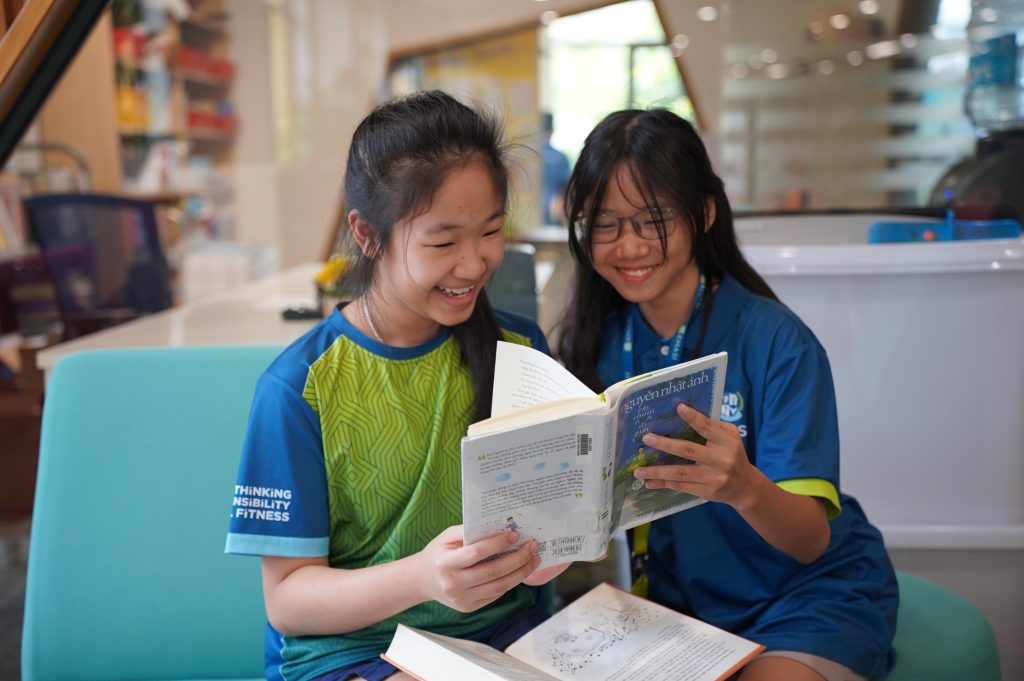
English, Mathematics and Science at EMASI’s Primary School
The EMS in our name stands for English, Mathematics and Science, the three subjects that help to define our academic identity. Each one develops thinking skills, not just knowledge.
English is where students learn to communicate effectively. Grade 1 and 2 students move from Early Years into Primary through Cambridge Global English, developed by Cambridge University Press and Assessment. We use Global English because it is designed for children who speak another language at home, and it builds listening, speaking, reading and writing together. Units draw on global themes and cultures, so children learn English while learning about the world.
Mathematics and Science are where critical thinking grows. Students ask questions, discuss ideas, solve problems, and work on projects. They learn to explain their reasoning, not just to calculate.
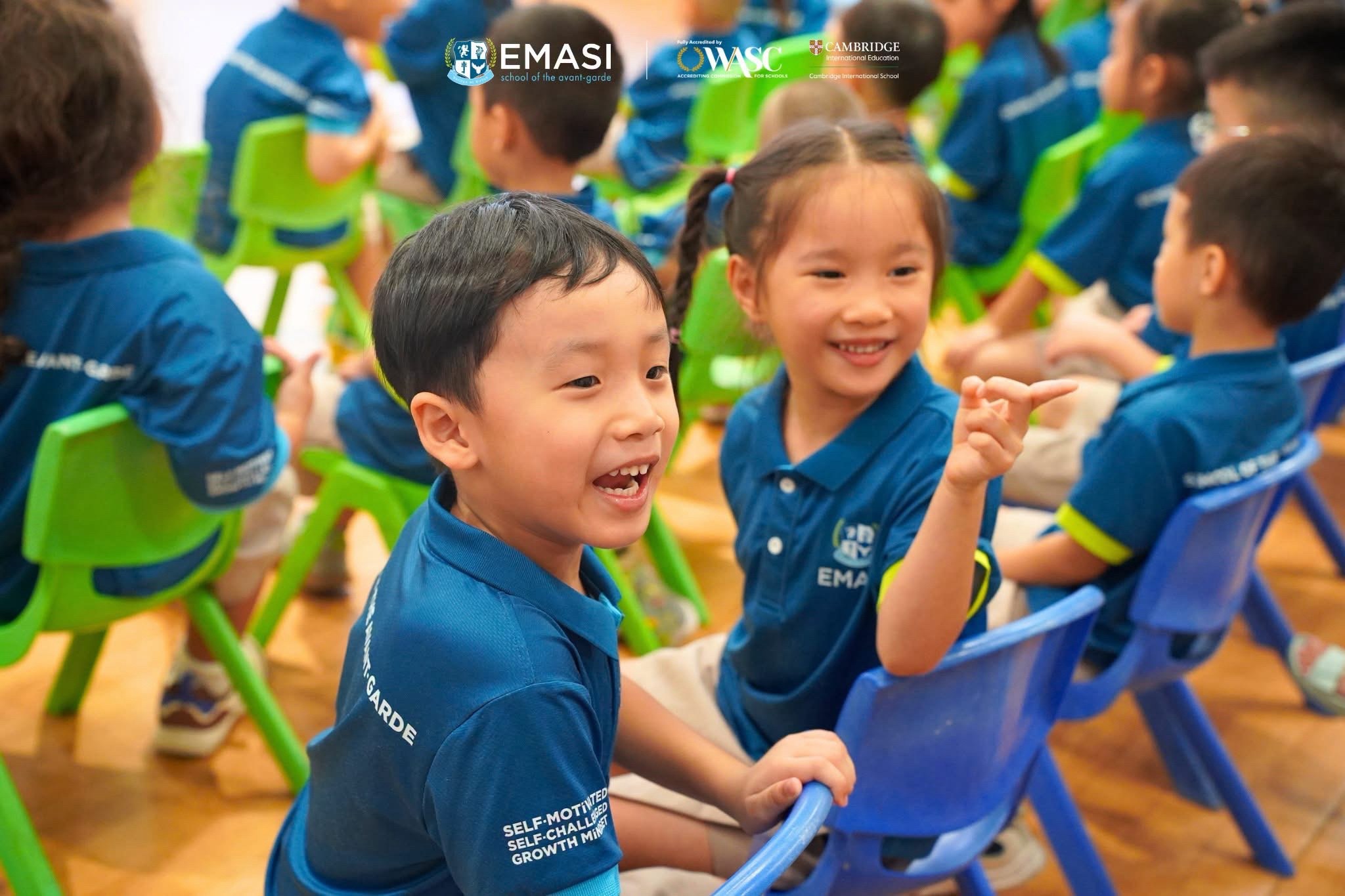
Underneath all three subjects is the self-motivated learner: “I want to do it.” When children explore real questions and global themes, curiosity drives their learning.

How does assessment support learning in Primary school?
Meaningful assessment is where our growth mindset value, “I’ll do it better and better”, becomes practical. Our teachers do not just give grades. They show children what they did well and how to improve. Assessment at EMASI helps children grow in a supportive learning environment.
- Formative assessment happens day to day. It includes quizzes, presentations, peer feedback, self-assessments, and exit tickets. These build self-reflection skills and are low stakes.
- Summative assessment measures learning at the end of a unit, semester, or year. It includes a baseline test early in Semester 1, end-of-unit tests and projects, and two end-of-semester assessments.
- Cambridge exams include Starters, Movers, Flyers and the Cambridge Primary Checkpoint. They give students a chance to be self-challenged: “I can do it.”
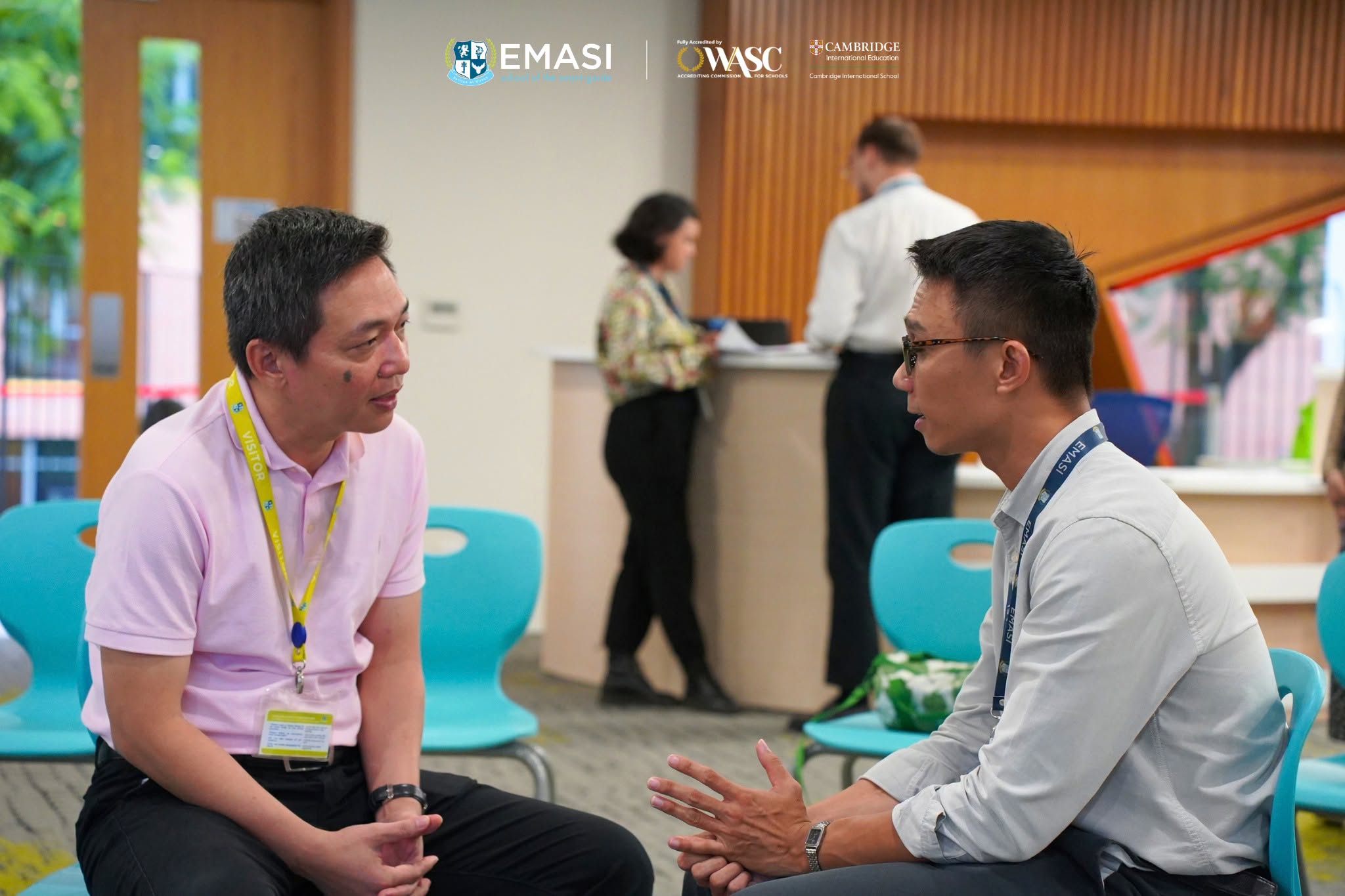
Families see progress through three reports, parent-teacher conferences and a student-led conference, where children communicate effectively about their own learning.
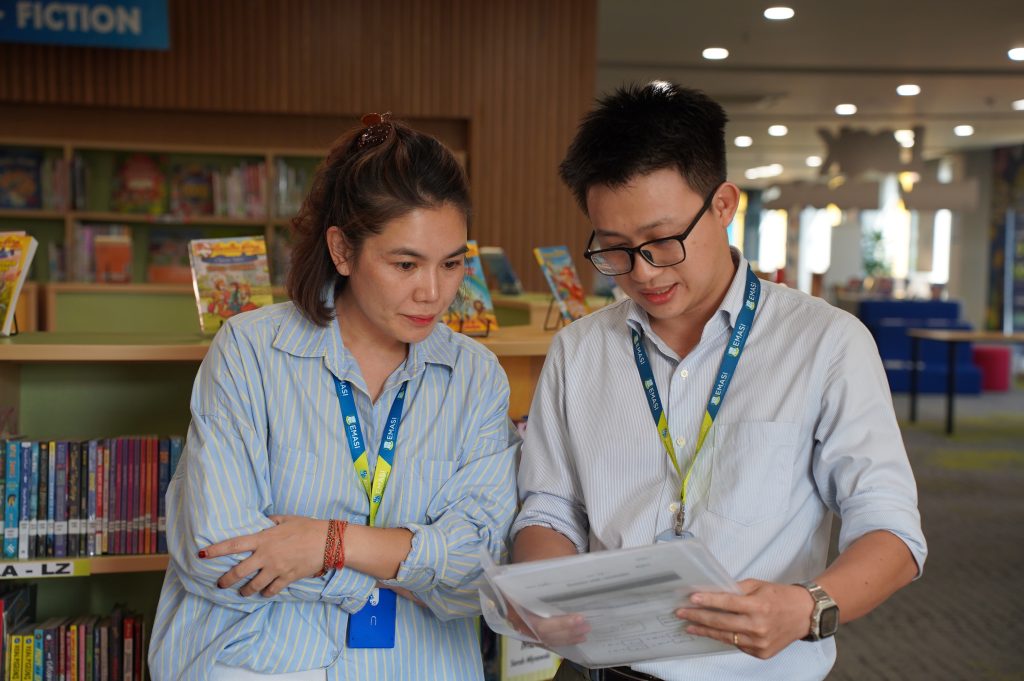
How does Primary learning connect to Secondary results?
Secondary success is built in the early years. Students who have practiced explaining their thinking, reflecting on their work and using English to learn arrive in Secondary ready for more demanding content. Good results come from strong habits built over time, one understood unit at a time.
Why combine the Cambridge International Framework with MoET?
Together, the two frameworks give students foundations for success in both pathways. Cambridge develops international approaches to thinking and learning. MoET keeps students rooted in the national curriculum. Learning is bilingual, preparing students for success locally and globally.
Frequently asked questions
What does EMS stand for?
English, Mathematics and Science, three of the core subjects of EMASI’s Primary program.
Which curriculum does EMASI follow?
An integrated program combining the Cambridge International Framework and the MoET curriculum.
How is student progress measured?
Through formative and summative assessments, Cambridge exams, three reports a year, parent-teacher conferences, and a student-led conference.
What values guide learning at EMASI?
Students are self-motivated, self-challenged, growth-minded, critical thinkers, and effective communicators.
How can parents help at home?
Read books together, talk daily in English, practice new words in everyday life and praise effort over perfection. Parents do not need perfect English to help. Tools like Oxford Reading Buddy and Cambridge GO also support learning at home.
Have questions regarding EMASI Nam Long’s integrated Cambridge Primary MoET curriculum? Book a private consultation for school admissions or academic planning by filling in the form below.